Exploring Algorithm-Driven Personalization in Bonus Distribution for Mobile-First Betting Applications
Tina Lang · Jun 11, 2026
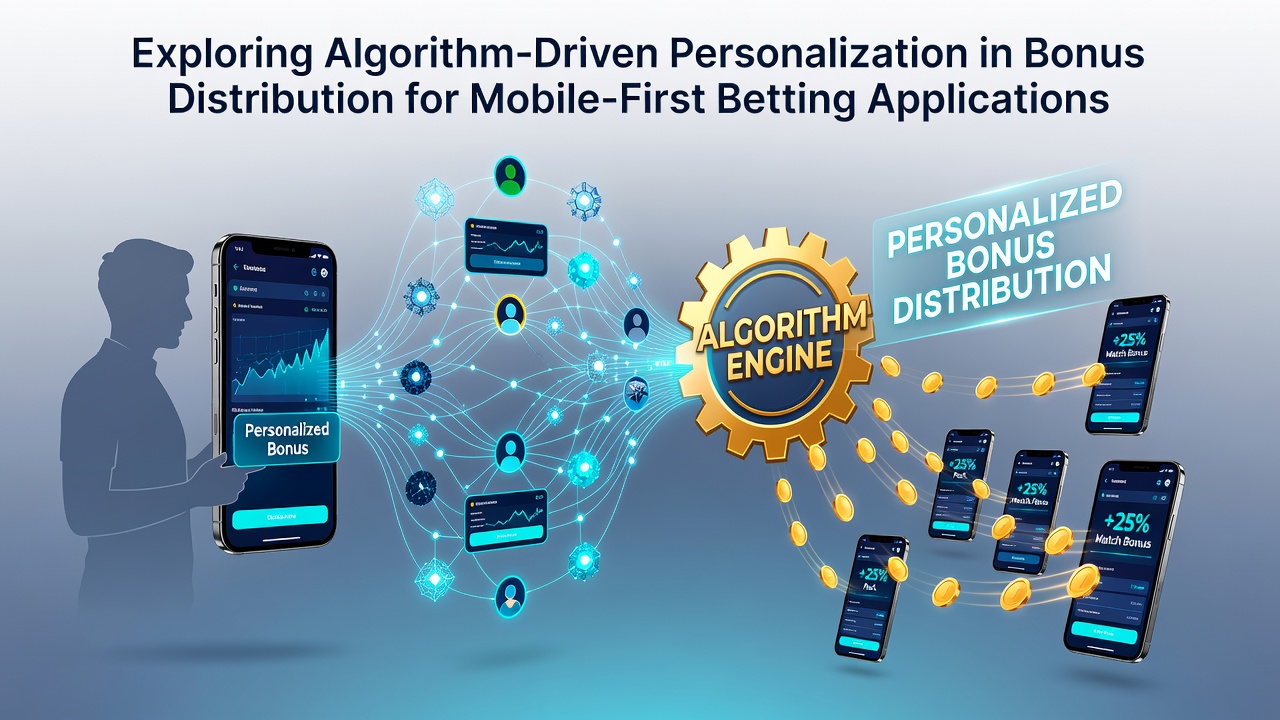
Exploring Algorithm-Driven Personalization in Bonus Distribution for Mobile-First Betting Applications
Mobile-first betting applications now distribute bonuses through algorithms that analyze individual user patterns and adjust offers in real time. These systems process betting history, session duration, device type, and geographic signals to generate customized incentives rather than uniform promotions. Data from multiple regulatory jurisdictions shows that such personalization correlates with higher retention rates across operator platforms in 2025 and early 2026.
Operators collect structured data points including wager frequency, preferred sports or casino titles, deposit intervals, and response rates to prior offers. Machine learning models then cluster users into segments and assign bonus structures such as matched deposits scaled to recent activity levels, free bet credits calibrated to average stake sizes, or cashback percentages tied to loss thresholds observed in the preceding week. The process runs continuously on backend servers and updates via app notifications within seconds of behavioral triggers.
Data Inputs and Model Architecture
Core inputs include transactional records from payment gateways, in-app engagement metrics captured through SDKs, and external signals such as local event calendars or weather data that influence live betting volumes. Models often employ collaborative filtering techniques alongside reinforcement learning loops that test offer variants on small user cohorts before wider rollout. According to figures published by the New Jersey Division of Gaming Enforcement, mobile handle accounted for 78 percent of total sports wagering volume in the first quarter of 2026, underscoring why operators prioritize algorithm tuning for smartphone users.
Feature engineering steps normalize values across time zones and currency formats, while privacy-compliant hashing protects personally identifiable information. Gradient boosting frameworks commonly rank feature importance, revealing that recency of last deposit and mobile push notification open rates frequently emerge as top predictors of bonus acceptance.
Deployment Mechanics in Mobile Environments
Once a model scores a user profile, the application server pushes the resulting bonus through lightweight JSON payloads that trigger native UI components. Push notifications, in-app banners, and personalized inbox messages all carry the same offer identifier to maintain consistency across touchpoints. A/B testing frameworks embedded in the distribution layer compare conversion metrics between algorithm-generated offers and control groups that receive static promotions.
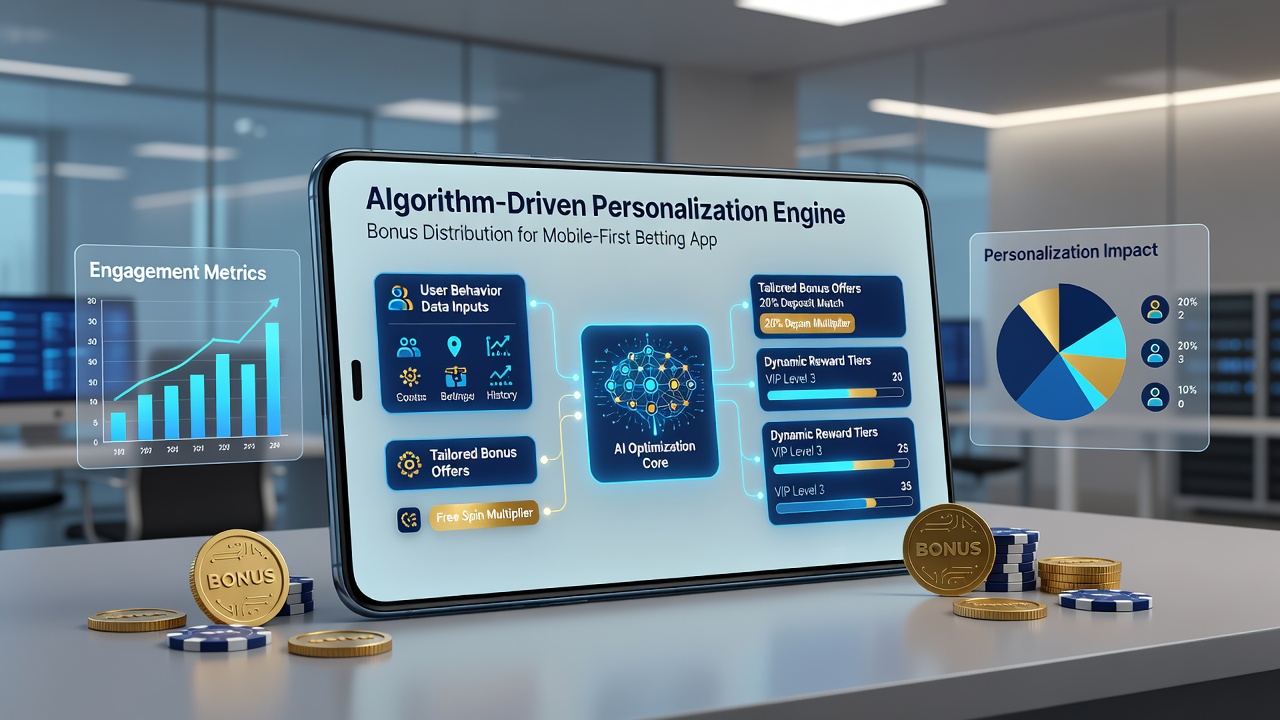
Operators in markets such as Ontario and several Australian states have documented shorter time-to-first-bet intervals when offers align closely with demonstrated user preferences. The same reports note that micro-adjustments, such as increasing a free bet stake by small increments for high-frequency users, produce measurable lifts in subsequent deposit activity without increasing overall bonus liability beyond predefined budgets.
Regulatory and Technical Considerations
Regulatory bodies in multiple jurisdictions require operators to maintain audit trails of algorithmic decision logic and to provide users with clear explanations of how offers are determined. The iGaming Ontario compliance framework, for instance, mandates periodic third-party reviews of personalization engines to confirm absence of discriminatory outcomes across demographic slices. Similar expectations appear in guidance issued by the Australian Communications and Media Authority concerning responsible marketing of wagering products.
Technical safeguards include rate limiting on bonus issuance per account, velocity checks that flag anomalous redemption patterns, and fallback logic that defaults to standardized offers when model confidence scores fall below preset thresholds. These controls operate alongside existing responsible gambling tools such as deposit limits and session timers, ensuring personalized incentives do not override player-set boundaries.
Observed Patterns Through Mid-2026
Industry datasets released in June 2026 indicate continued expansion of real-time personalization layers in both sports and casino verticals. Cross-border operators report that mobile users receiving algorithm-tailored bonuses exhibit 12 to 18 percent longer average session lengths compared with those receiving generic promotions, according to aggregated telemetry shared at recent trade conferences. Retention curves also flatten more gradually when offers refresh dynamically based on live event participation rather than fixed calendars.
Edge cases include users who switch devices mid-session or those located in regions with fluctuating network latency, both of which require model robustness adjustments. Operators address these scenarios through progressive web app features that cache recent personalization parameters locally until connectivity resumes.
Conclusion
Algorithm-driven personalization has become a standard component of bonus distribution in mobile-first betting applications. The approach relies on continuous ingestion of behavioral and transactional data, model-driven segmentation, and rapid delivery mechanisms that align offers with observed user activity. Regulatory frameworks in North America, Europe, and Australia continue to shape implementation standards while market data through June 2026 shows measurable differences in engagement metrics tied to these systems. Ongoing technical refinements focus on model transparency, cross-device consistency, and integration with existing player protection measures.