Shifts in User Onboarding Through Progressive Reward Systems in Integrated Gaming Sites
Tina Lang · May 30, 2026
Shifts in User Onboarding Through Progressive Reward Systems in Integrated Gaming Sites
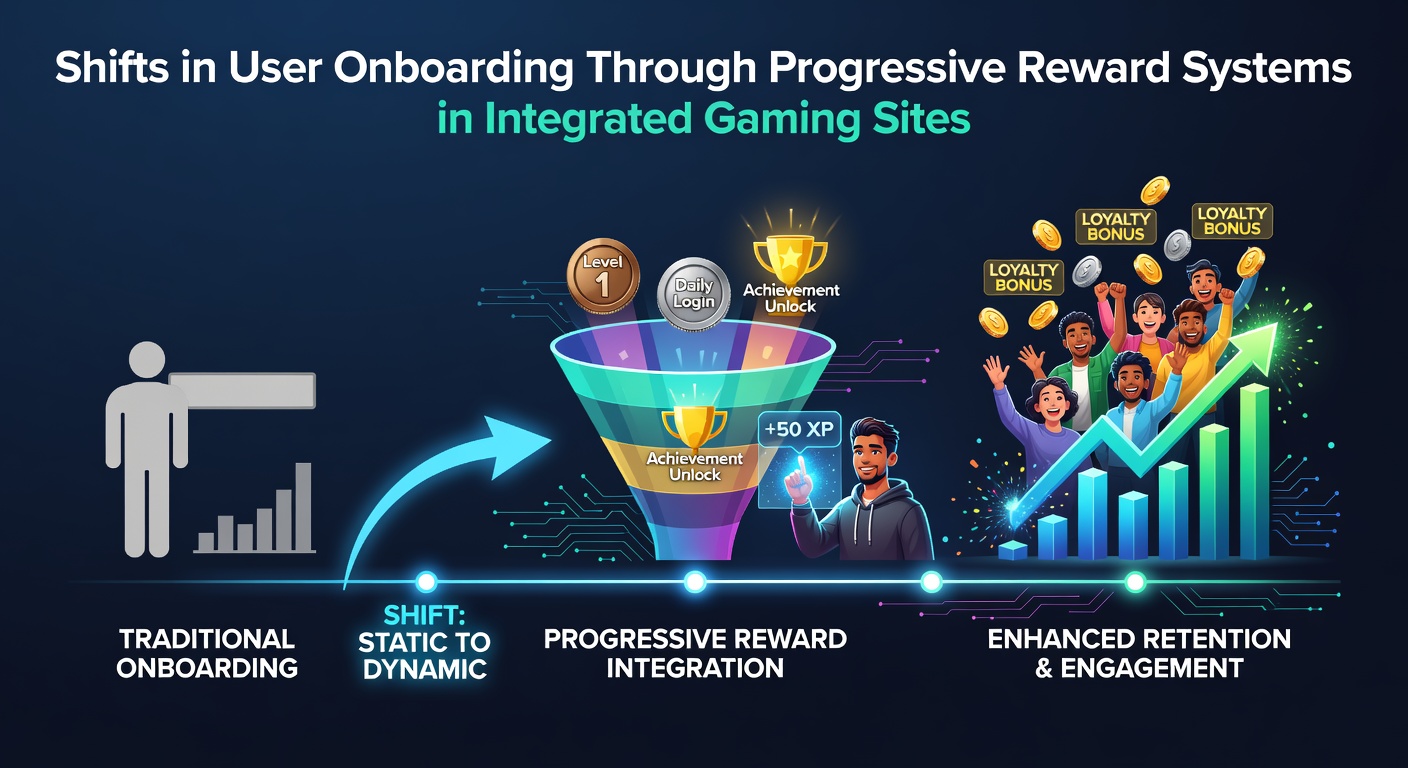
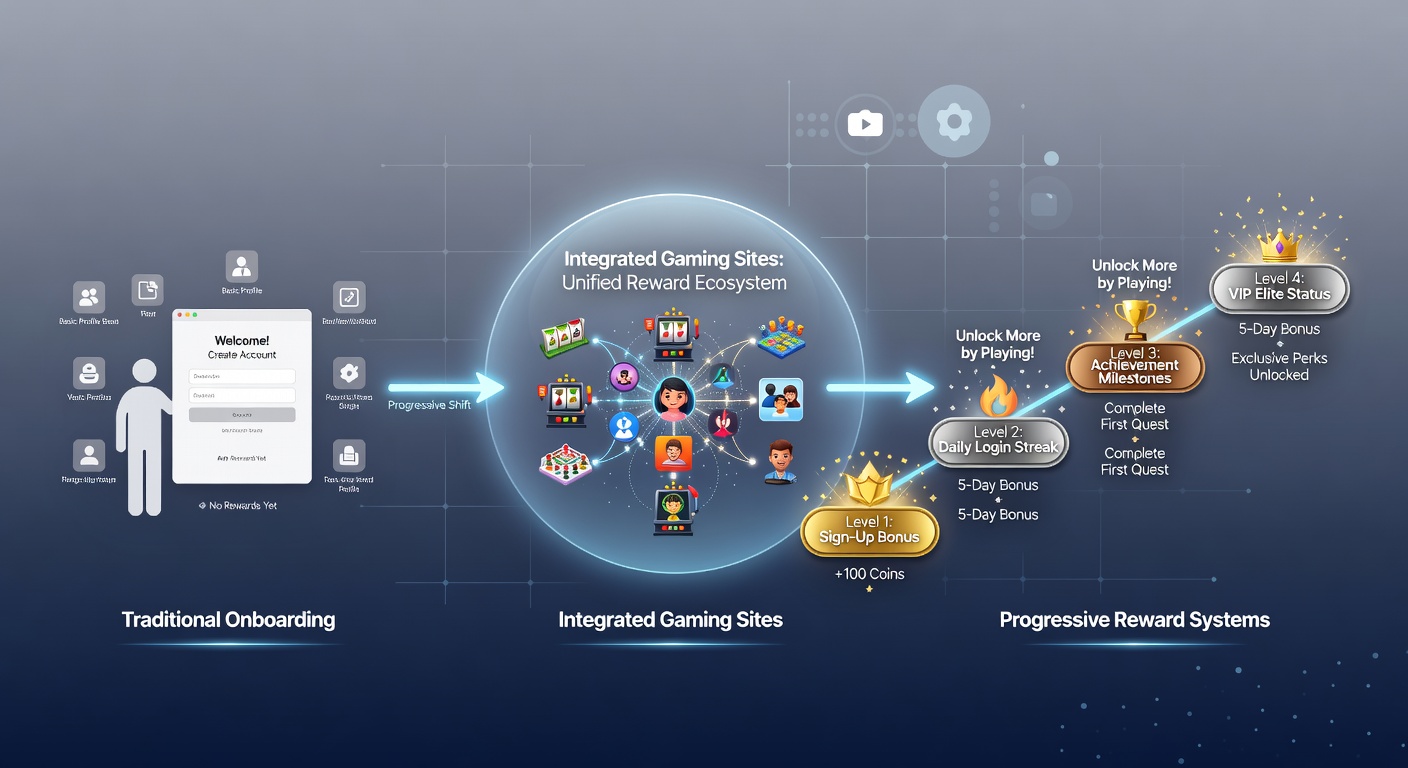
Integrated gaming sites that combine sports betting with casino offerings have moved away from one-time welcome packages toward progressive reward systems that unfold across multiple stages of user activity, and this change reflects broader adjustments in how operators structure initial engagement. Platforms now design sequences where rewards accumulate based on deposit frequency, wager volume, and cross-category participation, which creates a layered experience rather than an immediate lump-sum incentive. Observers note that such systems often begin with small, immediate unlocks such as free spins or bonus credits that require minimal action, then escalate through defined milestones that span the first thirty to ninety days of account activity.
Core Mechanics of Progressive Onboarding Structures
Operators implement these systems through tiered progress bars or level-based interfaces that track metrics including total handle, deposit streaks, and completion of both sports and casino tasks within the same ecosystem. A typical flow starts with account verification that releases an initial credit, followed by requirements such as placing bets across three different sports markets or achieving a set number of spins on designated slots before the next tier activates. Data from platform analytics shows that users who complete early stages receive escalating multipliers on subsequent rewards, which encourages continued interaction across product verticals instead of isolated sessions. Researchers tracking user paths have documented that these sequences often incorporate conditional triggers, where activity in one category like live betting can accelerate progress toward casino-specific bonuses, thereby reducing the separation between verticals that once defined onboarding flows.
Integration Patterns Across Sports and Casino Environments
Because many sites now operate under single wallets and unified loyalty ledgers, progressive rewards can pull data from both sports and casino play to determine eligibility for the next unlock. This connectivity allows an operator to award points for a parlay win that then apply toward a table-game cashback threshold, which creates continuity that flat bonuses rarely achieved. Industry reports indicate that in markets with high integration density, such as those regulated in parts of Canada and Australia, the average time from registration to first reward redemption has shortened while the total number of required actions per tier has increased. The structure relies on backend algorithms that adjust milestone difficulty based on user segment, so recreational players encounter gentler ramps compared with higher-volume accounts that face steeper but more lucrative targets.
Behavioral Data and Retention Metrics
Studies conducted on retention cohorts reveal that progressive systems correlate with higher day-thirty active-user rates when compared against legacy flat-bonus models, although the effect size varies by region and regulatory constraints. Figures from aggregated platform data compiled in early 2026 show that users navigating tiered onboarding complete an average of 2.4 additional deposit events within the first month, with cross-vertical play rising notably once the second reward tier becomes visible. Operators achieve this by surfacing progress indicators on both mobile and desktop interfaces, which keeps the reward pathway visible and reduces drop-off after the initial session. What's notable is how these systems embed small friction points, such as time-gated challenges, that prevent rapid completion while still maintaining forward momentum through visual feedback and partial credit accumulation.
Regulatory Context and Market Developments in May 2026
Regulatory frameworks in multiple jurisdictions have begun to address transparency requirements around progressive structures, with emphasis on clear disclosure of milestone conditions and expiry rules. In May 2026 several state and provincial regulators updated guidance documents to require operators to display remaining progress toward each tier in real time, responding to complaints about opaque advancement criteria. These updates coincide with continued expansion of integrated platforms in North American and European markets, where licensing bodies now request sample onboarding flows during renewal audits. Data released by the European Gaming and Betting Association indicates that jurisdictions with explicit milestone-disclosure rules report fewer user inquiries about reward eligibility compared with regions that rely on general bonus terms. At the same time, academic researchers affiliated with institutions in Australia have published preliminary findings linking progressive systems to modest increases in session duration, though longer-term outcome data remains under collection.
Technical Implementation Considerations
Behind the scenes, progressive reward engines integrate with customer relationship management databases and real-time event trackers that log every qualifying action across sportsbooks and casino lobbies. Developers configure these engines to handle edge cases such as partial progress carryover when users switch devices or when promotional periods reset. Because integrated sites often share a single player account across verticals, the same ledger tracks both cash and bonus balances, which simplifies compliance reporting but requires robust reconciliation logic to prevent double-counting of wagers. Platform providers have introduced modular APIs that let operators swap individual milestone definitions without redeploying the entire onboarding sequence, allowing rapid response to regulatory changes or seasonal event calendars.
Future Trajectory of Onboarding Design
Market analysts project that progressive reward systems will incorporate more dynamic elements, such as personalized milestone suggestions derived from early behavioral signals, while maintaining the core staged-unlock format. Integration depth between sports and casino products is expected to increase further as operators refine algorithms that allocate rewards based on predicted lifetime value rather than fixed sequences. Observers tracking regulatory filings note that additional jurisdictions plan to introduce standardized reporting templates for progressive bonus performance in the second half of 2026, which could standardize metrics used to evaluate onboarding efficacy across operators. The shift toward these systems continues to reshape how new accounts transition from registration to sustained activity within unified gaming environments.
Conclusion
Progressive reward systems have redefined onboarding on integrated gaming sites by replacing immediate lump-sum incentives with staged, activity-driven unlocks that span sports and casino verticals. The approach relies on unified tracking, visible progress indicators, and conditional triggers that encourage cross-category participation from the first session onward. Regulatory developments in May 2026 have reinforced transparency requirements around milestone conditions, while technical implementations continue to evolve through modular APIs and real-time analytics. Data from multiple regions shows measurable differences in early retention metrics compared with earlier flat-bonus models, and ongoing research from academic and industry sources continues to document how these structures influence user pathways in expanding markets.