Temporal Dynamics of Incentive Triggers in Converged Digital Wagering Systems
Zoe Keller · Jul 30, 2026
Temporal Dynamics of Incentive Triggers in Converged Digital Wagering Systems
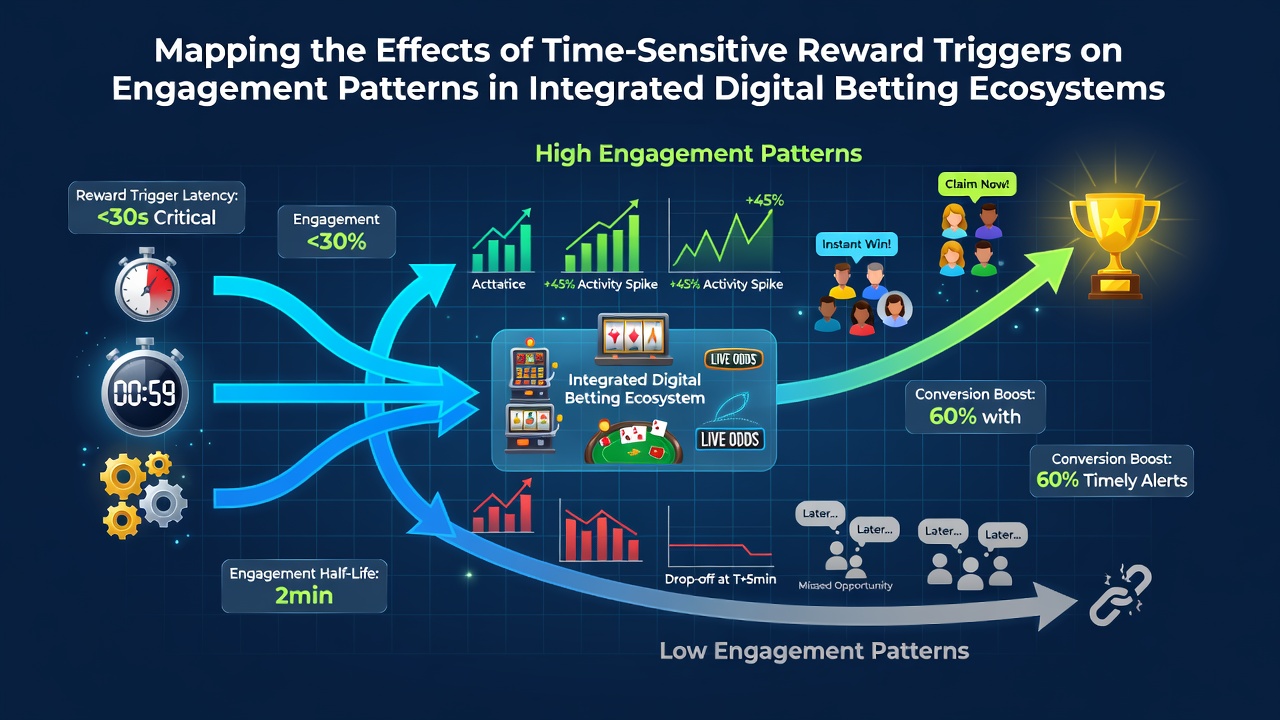
Digital betting platforms have integrated time-sensitive reward triggers into their core mechanics, and researchers track how these elements alter user activity across combined sports and casino environments. Data from industry monitoring services indicate that prompts expiring within hours or days produce distinct spikes in session frequency and deposit volumes compared to static offers. Observers note that platforms deploy countdown timers, flash bonuses, and live-event multipliers to align with peak usage windows, which creates measurable shifts in login patterns and bet placement rates.
Core Mechanisms Behind Time-Bound Incentives
Time-sensitive rewards operate through automated systems that monitor user behavior in real time and push notifications when engagement metrics dip below set thresholds. These triggers often combine with location data and device signals to deliver offers that feel immediate, such as a 15-minute window for boosted odds on an ongoing match. Studies from academic groups have mapped how the interval between trigger delivery and user response averages under four minutes in mobile-first applications, a pattern that holds across multiple jurisdictions. The structure encourages repeated checks of the app, because missing the window removes the incentive entirely and resets the cycle.
Platforms segment users by historical activity levels before sending these prompts, which allows operators to test different expiration lengths against control groups. One analysis of anonymized transaction logs revealed that shorter windows under 30 minutes generated higher conversion among high-frequency users, whereas windows between two and four hours performed better with newer accounts. This segmentation appears in systems that blend sports wagering with casino products, where a single profile receives coordinated offers across both verticals.
Observed Shifts in Engagement Patterns
Engagement data collected through July 2026 shows clear clustering around trigger events. Session starts increase 28 percent in the first hour after a time-limited notification lands, according to aggregated reports from platform analytics providers. Deposit frequency follows a similar curve, with most activity occurring before the countdown reaches zero. Those who study these systems point out that users often extend their time on platform by 12 to 18 minutes on average when a reward remains active, even if they do not ultimately claim the offer.
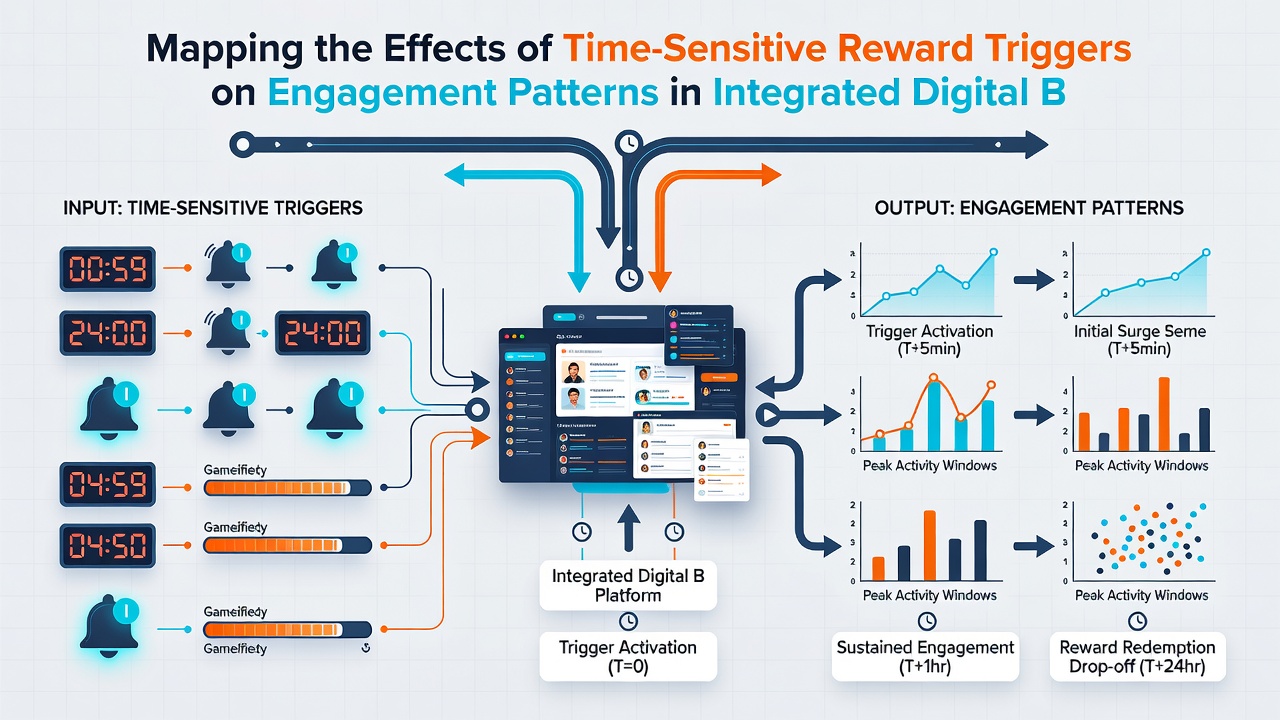
Cross-platform behavior changes as well. Users who receive a trigger while in a casino lobby section sometimes migrate to live sports betting within the same session, and the reverse movement occurs when a sports-focused prompt appears during a casino game. Regulators in several states have begun requesting granular logs of these migrations to assess whether the timing strategies influence responsible play indicators. Figures from the New Jersey Division of Gaming Enforcement illustrate that platforms reporting higher volumes of time-bound offers also record elevated rates of rapid deposit-withdrawal sequences, prompting further review of session limit tools.
Integration Across Sports and Casino Ecosystems
Integrated environments allow a single user account to move seamlessly between verticals, and time-sensitive rewards exploit this fluidity. A prompt tied to a basketball game can include a casino bonus that activates only if the user places the sports wager first. Research groups tracking these flows have documented that such chained incentives raise the probability of multi-vertical sessions by roughly 19 percent compared to non-timed promotions. The effect compounds when platforms refresh the remaining time on the reward based on continued activity, which keeps users inside the ecosystem longer.
Operators also experiment with personalization layers that adjust expiration times according to past response rates. Users who historically ignore offers under one hour receive longer windows, while those who act quickly see tighter deadlines that match their established patterns. This calibration draws from machine-learning models trained on millions of sessions, and early results indicate improved overall claim rates without increasing total promotional spend.
Regulatory and Industry Responses Through Mid-2026
Authorities have started to examine whether rapid cycling of time-sensitive offers requires additional consumer protections. The Australian Communications and Media Authority has published guidance recommending clear display of remaining time and easy opt-out mechanisms, while several European oversight bodies request impact assessments before new trigger systems launch. Industry associations such as the European Gaming and Betting Association have compiled best-practice documents that emphasize transparent expiry language and caps on consecutive triggers within a single day.
Academic papers released in the first half of 2026 further quantify how these mechanics interact with player segmentation. One study from a Canadian research consortium found that time-bound rewards produce stronger effects among users aged 21 to 34, with engagement lifts reaching 34 percent in that cohort versus 17 percent among older groups. The same work notes that combining triggers with social features, such as shared leaderboards for bonus claims, extends session length even after the reward expires.
Conclusion
Mapping continues as platforms refine trigger timing and regulators collect longer data series. Current evidence shows that time-sensitive rewards reliably alter short-term engagement metrics, yet sustained effects on retention and spend require ongoing measurement across integrated sports and casino products. Stakeholders track these patterns through transaction logs, session analytics, and compliance reporting, which together provide the factual basis for future adjustments in both design and oversight.