The Evolution of Player Engagement Mechanisms in Global Digital Wagering Markets
Tina Lang · Aug 6, 2026
The Evolution of Player Engagement Mechanisms in Global Digital Wagering Markets
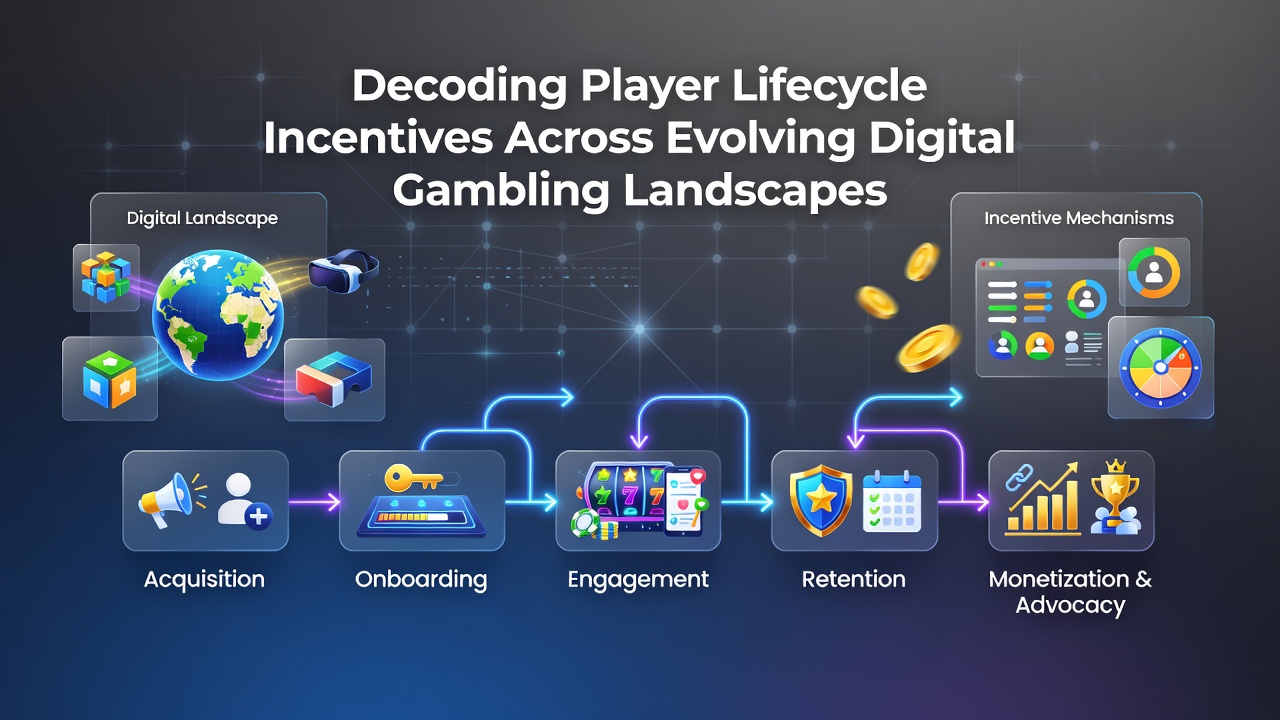
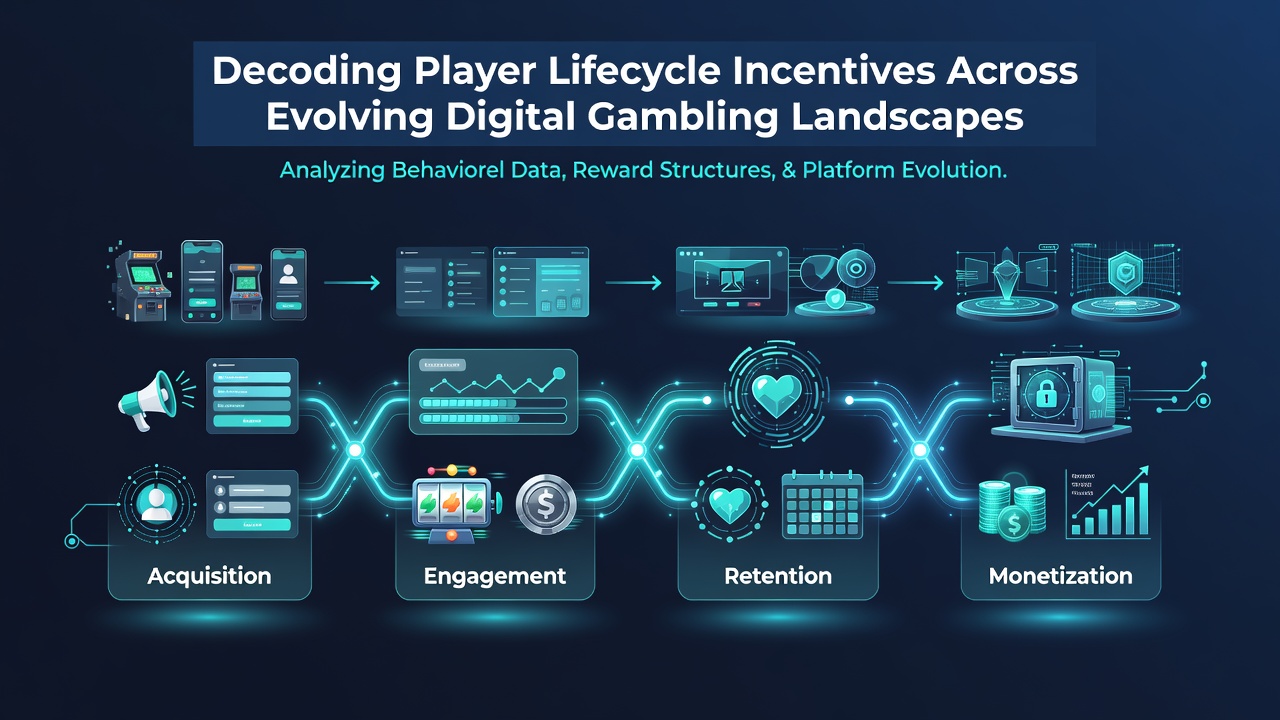
Digital gambling platforms track player progression through distinct lifecycle stages, and operators deploy targeted incentives at each point to influence behavior, according to industry analyses from 2026. These mechanisms range from initial acquisition tools to sustained retention features, and data from multiple jurisdictions shows how timing and personalization affect participation rates across sports betting, casino games, and integrated offerings.
Acquisition incentives typically activate upon first registration or deposit, yet operators in August 2026 have shifted toward progressive structures that release rewards based on activity milestones rather than single actions. Research from iGaming Ontario indicates that such phased approaches correlate with higher completion rates of early engagement tasks compared to flat upfront offers. Observers note that this adjustment aligns with regulatory emphasis on responsible play patterns in several Canadian provinces, where operators must demonstrate measurable user protections alongside commercial goals.
Transition Points in Player Pathways
Once initial deposits occur, platforms introduce mid-stage incentives that encourage exploration of additional product verticals, and these often include cross-format rewards such as casino credits tied to sports wager volume. Figures from the European Gaming and Betting Association reveal that integrated platforms recorded 18 percent higher cross-product migration when incentives bridged categories during the first 30 days of activity. The structure matters because users who receive segmented rewards at these transition points demonstrate extended session durations, while those encountering uniform offers tend to plateau earlier in their activity curves.
Retention phases rely on layered loyalty frameworks that adjust based on cumulative spend and frequency metrics, and many systems now incorporate real-time behavioral signals to recalibrate reward tiers. Data compiled by the Australian Institute of Criminology highlights that operators utilizing dynamic tier adjustments saw retention improvements of 12 to 15 percent over static models in the preceding fiscal year. These adjustments occur through automated scoring that evaluates not only financial metrics but also interaction diversity, such as participation in live events versus pre-match selections.
Regional Variations in Incentive Design
North American markets emphasize event-tied micro-rewards during high-profile competitions, whereas European operators have leaned into cashback structures that scale with loss thresholds. In August 2026, several U.S. state regulatory filings documented increased deployment of live-event incentives coinciding with the summer sports calendar, and compliance reports show these features require clear disclosure of terms to meet consumer protection standards. One study conducted through university-affiliated gaming research centers found that users exposed to capped, transparent micro-incentives maintained steadier deposit patterns than those receiving uncapped promotions.
Asia-Pacific jurisdictions present contrasting approaches, with some markets favoring deposit-match sequences that unlock progressively across weeks, and others testing time-limited challenges that reset on weekly cycles. Reports from the National Council on Problem Gambling in Singapore note correlations between challenge-based incentives and self-reported control among participants who set personal limits, suggesting that framing can moderate intensity of play. Operators in these regions frequently partner with local research bodies to validate incentive impacts before scaling across platforms.
Data Integration and Personalization Layers
Modern systems integrate transaction histories, session lengths, and product preferences into segmentation models that determine incentive eligibility, and this personalization extends to delivery channels such as in-app notifications versus email sequences. Evidence from platform audits conducted in 2026 demonstrates that multi-channel delivery increases visibility of rewards by roughly 22 percent compared to single-channel methods. Those who have examined these systems observe that segmentation accuracy improves when operators incorporate opt-in preference data rather than inferred categories alone.
Algorithmic adjustments allow platforms to test incentive variants across user cohorts while maintaining overall compliance thresholds, and results from controlled rollouts indicate that small modifications in reward timing can shift engagement metrics by single-digit percentages. Regulatory bodies in multiple jurisdictions require documentation of these tests to ensure fairness and to prevent disproportionate targeting of high-risk segments. The process involves collaboration between data teams and compliance officers, creating feedback loops that refine both commercial and protective outcomes.
Conclusion
Player lifecycle incentives continue to evolve alongside technological capabilities and regulatory frameworks across global markets. Operators refine these tools through iterative data analysis while adhering to jurisdiction-specific requirements, and available evidence points to measurable differences in engagement outcomes based on design choices. Continued monitoring by research institutions and oversight agencies will shape how these mechanisms develop through the remainder of 2026 and beyond.